
Stonebridge Ranch Water Damage: HOA vs. Homeowner Responsibility
Water from a shared retention pond or a community irrigation line shows up inside your Stonebridge Ranch home, and it is not obvious whether the HOA or your own insurance is on the hook.
📞 Call (972) 764-8722 Now ★★★★★ 5.0 rating on GoogleA shared retention pond backs up after a hard rain and sends water creeping toward the yards along its edge, or an irrigation line feeding one of Stonebridge Ranch's greenbelts cracks underground and keeps a foundation damp for weeks before anyone traces it back. When water that starts outside your walls ends up inside your home, the first real question isn't which company to call, it's who is actually on the hook to fix it, the homeowners association or you.
That question comes up constantly in a community built the way Stonebridge Ranch is, with lakes, greenbelts, and a shared amenity system running through neighborhoods on both sides of the 75070 and 75072 line. This isn't legal advice and it isn't a substitute for your own governing documents, but the general pattern that shows up across most Texas HOAs and the insurance policies that back them is worth understanding before you're standing in a wet hallway trying to figure out who to call first.
Watch: Who Pays When Water Comes From the Common Area
A short walk through the line between association property and your own at Stonebridge Ranch, and what to do while it gets sorted.
Where the HOA's Job Ends and Yours Begins
Most homeowners associations, Stonebridge Ranch's included, are set up to maintain what the community owns collectively: the greenbelts, the lakes and their shoreline, the entrances, the amenity center, and the irrigation system that keeps common landscaping green through a North Texas summer. What happens behind your own front door, from the slab under your kitchen to the drywall in an upstairs hallway, is typically yours, and that split is usually spelled out in the same governing documents that set your dues and your landscaping rules.
The line gets blurrier right at the property boundary. A cracked irrigation main that's clearly part of the shared system is usually the association's repair, and water damage a homeowner suffers because that line failed can turn into a claim against the HOA rather than the resident. A slow leak from a fixture inside your own kitchen or bathroom, on the other hand, almost never has anything to do with the HOA, no matter how close your house sits to a community lake or a shared drainage easement. Reading your own declaration, not guessing from a neighbor's story, is the only way to know which side of that line your specific damage falls on.
What Counts as Common Area in a Community This Size
Master planned community water damage claims get complicated fast because a neighborhood the size of Stonebridge Ranch carries a lot more shared infrastructure than a typical subdivision. Beyond the lakes and the beach and tennis club, there's a network of retention areas built to hold stormwater during a heavy rain, plus miles of irrigation piping feeding the greenbelts that run through and around villages like Adriatica and La Cima. Every foot of that system is something a resident doesn't personally own or maintain, yet a failure anywhere along it can end up soaking a specific homeowner's yard, foundation, or garage.
Stonebridge Ranch has been building out in phases since the 1990s, and the shared systems tying those phases together only grew more layered as new sections came online. That's different from a typical single-family HOA where common area basically means the entrance sign and a mowed strip along the road. In a community built around lakes and a shared amenity system, more of what can go wrong sits outside any individual homeowner's control, which is exactly why governing documents in communities like this tend to spend more pages defining maintenance responsibility than a smaller neighborhood's would.
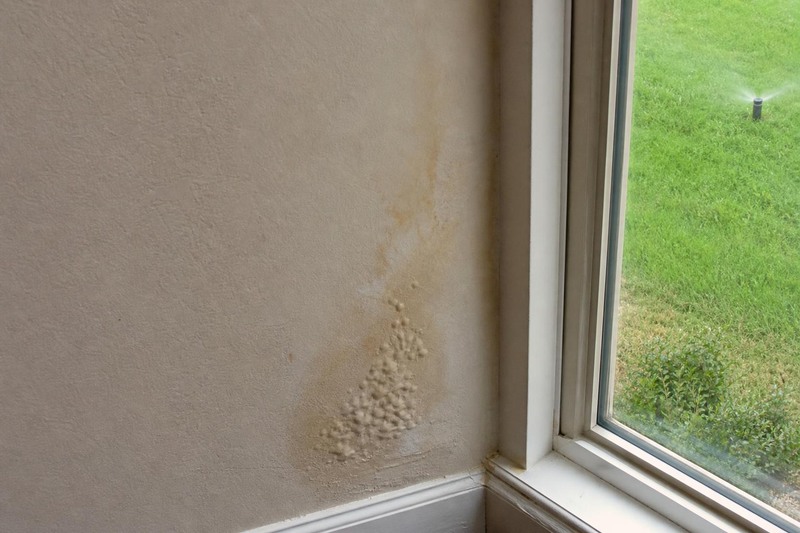
The Two Policies That Usually Decide Who Pays for Water Damage HOA Cases
Once responsibility is sorted out on paper, the next question is which insurance policy actually pays, and that's a separate layer from the governing documents themselves. Most HOAs carry a master policy that covers the structures and common elements the association is responsible for. Homeowners carry their own policy covering the interior of their house and their personal belongings. Where those two policies meet, or fail to meet, is where a lot of who pays for water damage HOA disputes actually happen, not in a disagreement about the plain facts of what got wet.
Texas gives residential HOAs a specific statutory framework, and the Texas Residential Property Owners Protection Act is a reasonable starting point if you want to read the actual law behind an association's maintenance and assessment powers, rather than take a neighbor's word for it. None of that replaces your own community's declaration and bylaws, which is where the maintenance matrix for your specific HOA actually lives, but it's a useful baseline before you call your management company or your own insurance agent to ask where your claim stands.
Collin County Weather Doesn't Wait for the Paperwork to Get Sorted
Whoever ends up responsible for the repair, the water itself doesn't pause for that conversation. The HOA-versus-homeowner question comes up most right after a hard winter freeze, when an exposed line splits on either side of the property boundary, an HOA-owned irrigation main or your own supply line inside the garage. Summer brings the opposite problem: North Texas humidity runs high enough that water sitting anywhere, a wet slab, a damp wall cavity, a soaked patch of subfloor, won't dry on its own, and every day spent figuring out whose insurance to call is another day that water has to do damage.
Fast, heavy storms add a third pressure point specific to a community built the way Stonebridge Ranch is. When the retention system and shared drainage that keep the lakes and greenbelts balanced take on more water than they're built for, runoff has to go somewhere, and low points near a garage or a ground-floor entry are usually first in line. The Texas Division of Emergency Management tracks flood and freeze risk at the state level, a useful gut check on how seriously Collin County has to plan for both extremes, hard freeze and flash flood, inside the same twelve months.
Whatever the HOA and insurance side eventually decides, once water is actually inside your home, that part isn't a paperwork problem anymore. Our Stonebridge Ranch crew handles extraction and drying the same way regardless of whose fault it turns out to be, with moisture readings and photos logged as we go so you have real documentation for whichever claim you end up filing. If standing water sat long enough to threaten mold behind a wall, that's a separate step, once you have your own independent assessor's report in hand, the mold removal side of our McKinney restoration company carries out what the protocol calls for. Call the moment you find standing water and we'll get a crew moving while you sort out the rest.
Stonebridge Ranch Homeowners Ask About This First
Get the Water Out While You Sort Out Who Pays
Whoever ends up covering the repair, our Stonebridge Ranch crew handles extraction and drying the moment you call, any hour of the day or night.
📞 Call (972) 764-8722